Eagle SVG Graphics for Crafts & Editorial Use
As a blog designer who’s built over 200 content-rich websites—and shipped more than 1,200 digital guides, newsletters, and Canva templates—I opened Eagle Svg Eagle Eagle with American Flag expecting patriotic flair. What I found was something sharper: a bold, scalable graphic design asset that lands somewhere between editorial gravitas and seasonal warmth. It doesn’t scream “4th of July sale”—it whispers authority, heritage, and visual confidence.
A First Impression That Builds Reader Trust
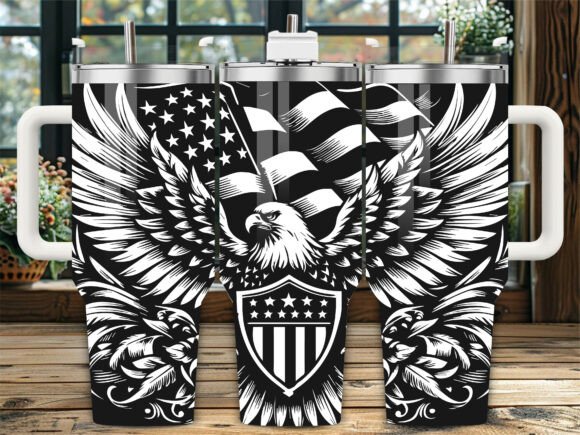
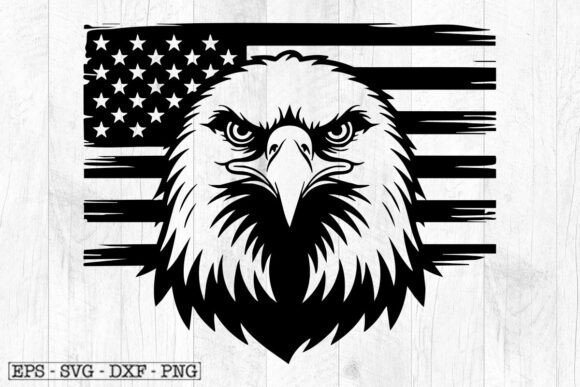
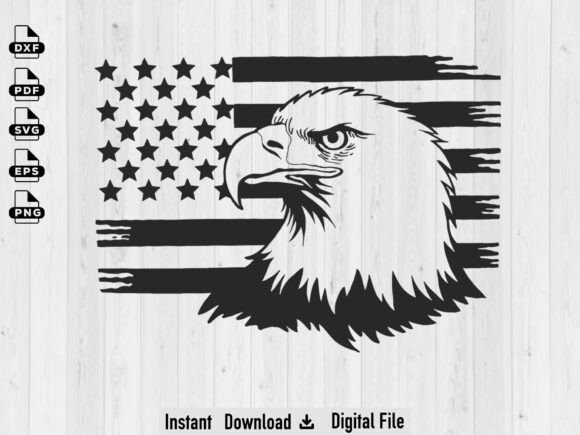
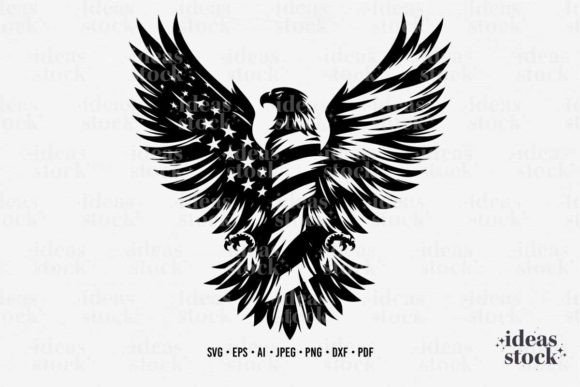
The moment you unzip the package—yes, it’s a clean, single ZIP file—you’re greeted with multiple formats: SVG, PNG (transparent and white-background), and cleanly separated layers. No clutter. No placeholder text. No confusing naming like “eagle_with_mullet_svg” (a red flag I’ve seen too often in low-tier creative marketplaces). This is intentional design: bald eagle centered, wings slightly spread, clutching a crisp American flag with subtle texture and dimension. The lines are confident but not aggressive; the composition reads as modern design—not clipart.
It creates an immediate editorial mood: dignified, grounded, and quietly proud. Not overly decorative, not sterile. Think lifestyle blogs covering civic engagement, small business branding for veteran-owned ventures, history educators building digital guides, or affiliate marketers curating patriotic gift roundups. It supports niches where authenticity matters—where readers scroll past flashy graphics but pause for something that feels *earned*, not slapped on.
Where This Graphic Design Asset Earns Its Place
In real publishing workflows, Eagle Svg Eagle Eagle with American Flag shines brightest where visual hierarchy meets intentionality:
- Blog featured images — Especially for posts about U.S.-based entrepreneurship, Constitution Day reflections, or small business resilience stories. Paired with a strong serif headline, it signals substance before a single word is read.
- Pinterest pins — SVG-to-PNG conversion at 1000×1500px delivers sharp, scroll-stopping thumbnails. The eagle’s eye line naturally draws attention upward—perfect for vertical discovery feeds.
- Digital guides & lead magnets — Used as a cover graphic or chapter divider, it adds weight to downloadable resources without crowding content. Works especially well in printables for educators or veterans’ support groups.
- Newsletter headers — Scales flawlessly across email clients. At 600px wide, it anchors subject lines like “5 Ways to Build Local Trust” with visual credibility.
- Category thumbnails & website header accents — When placed subtly in a top navigation bar or as a hover icon for “About Our Values,” it reinforces brand identity without shouting.
How It Lifts Content Performance—Beyond Aesthetics
This isn’t just decoration. Used deliberately, Eagle Svg Eagle Eagle with American Flag strengthens core content marketing levers:
- Stronger first impression — Readers decide in under two seconds whether your page is worth their time. A polished, scalable eagle graphic tells them “this was made with care.”
- Better click-through potential — On Pinterest and email previews, its contrast and focal point outperform generic stock vectors.
- More consistent branding — Because it’s SVG-native, it adapts seamlessly from desktop hero banners to mobile newsletter footers—no pixelation, no color shift.
- Improved reader trust — Clean lines, balanced negative space, and thoughtful flag proportions signal professionalism—not amateur clipart energy.
- Stronger visual identity — Repeated use across blog graphics, social media graphics, and digital product covers builds recognition faster than any logo alone.
Where to Use It—And Where to Pause
It works best in high-visibility, emotionally resonant contexts: hero images, article thumbnails, Pinterest pins, blog graphics for thematic series, editorial accents in long-form guides, content upgrades tied to national values, downloadable printables for classrooms or community centers, and social media previews for thought leadership posts.
Use carefully in: tiny mobile thumbnails (under 120px wide—the details blur), text-dense blog graphics (where it competes with readability), low-contrast backgrounds (test against light gray or cream), or layouts already saturated with icons and patterns. It’s not ideal for corporate legal blogs, fintech dashboards, or minimalist wellness sites leaning into monochrome serenity. This is a design asset with voice—not background noise.
Practical Publisher Notes You’ll Actually Use
Before dropping Eagle Svg Eagle Eagle with American Flag into production, run these checks:
- Preview it inside your actual blog layout—not just in Figma or Canva. Does it breathe beside your body font? Does it anchor the headline or distract from it?
- Test contrast: place it over your site’s primary background colors. Does the flag pop? Does the eagle remain legible at 70% size?
- Try it with your full font stack: serif (e.g., Merriweather), sans serif (e.g., Inter), script (for handwritten-style callouts), and display fonts (for banner headlines).
- Check file size—SVG should be under 30KB; PNGs under 150KB. Compress PNGs with Squoosh or ShortPixel before uploading to WordPress.
- Verify commercial license terms. Yes—it’s cleared for monetized websites, affiliate marketing pages, and paid digital downloads. But always double-check the vendor’s fine print.
- Print a test copy. Does the flag retain texture? Do wing feathers hold definition on matte paper? Crucial for physical handouts or educator printables.
Bottom line: Eagle Svg Eagle Eagle with American Flag isn’t just another craft download. It’s a versatile, trustworthy graphic design asset—one that elevates editorial design, strengthens small business branding, and adds quiet authority to content that aims to inform, inspire, or unite. For bloggers, digital educators, newsletter creators, and creative entrepreneurs building real digital products? It’s less of a decoration—and more of a strategic visual ally.