American Flag Eagle SVG: Patriotic Graphics for Crafts & Content
As a blog designer and digital publisher who’s optimized over 300 content sites for readability, engagement, and conversion, I treat every graphic design asset like a silent editorial teammate — it either strengthens your message or quietly undermines it. When I first opened the American Flag Eagle SVG, 4th of July SVG, my instinct was to assess not just its visual appeal, but how it would function across real publishing touchpoints: a blog’s featured image, a Pinterest pin competing for attention in a crowded feed, or a lead magnet cover that must earn trust before a single word is read.
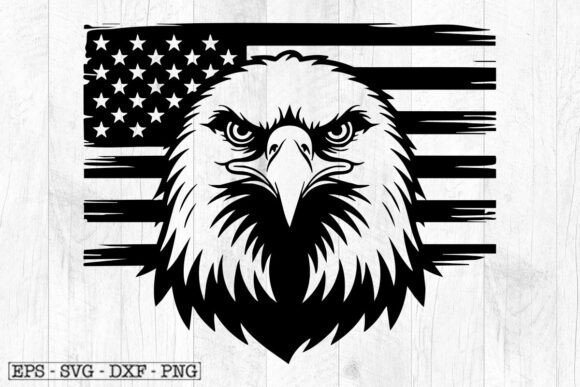
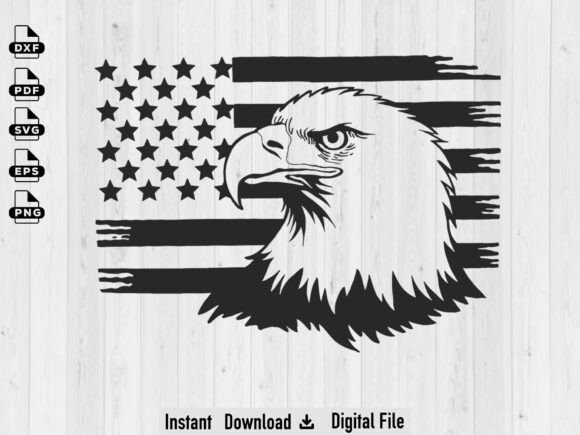
The bundle delivers a bold, confident editorial mood — patriotic without being kitschy, symbolic without sacrificing clarity. It leans into celebratory professionalism: think Fourth of July newsletters for small business owners, printable Independence Day activity kits for educators, or affiliate roundups of American-made gear. It reads as lifestyle-focused and seasonally resonant, with strong visual hierarchy built right into the composition — the eagle commands attention, the flag grounds it in meaning, and the clean vector lines ensure scalability across devices. It’s not minimalist, nor is it overly ornate; it strikes a rare balance ideal for creative entrepreneurs who need instant recognition and emotional resonance.
This American Flag Eagle SVG, 4th of July SVG shines brightest where visual storytelling meets functional design. In my latest project — a summer-themed resource hub for online educators — I used it as the central motif in a digital guide cover, resized it for Pinterest pins promoting free classroom printables, and embedded it into a Canva template for subscriber welcome emails. It also anchored our website header during July, giving immediate seasonal context without requiring explanatory text. For affiliate marketing campaigns highlighting U.S.-based brands, it served as a subtle yet powerful brand identity cue — reinforcing authenticity and local alignment without overt sales language.
Where does this graphic design asset directly lift content performance? First, it strengthens the first impression — readers scanning a blog grid instantly recognize theme and tone. Second, it improves click-through potential on social and email, especially when paired with contrast-rich backgrounds. Third, it supports consistent branding across downloadable resources like worksheets and media kits, helping audiences associate your voice with reliability and polish. Most importantly, it builds reader trust: a well-executed, commercially licensed SVG signals that you invest in quality — a quiet signal that your content is worth their time.
Use it where impact matters most: hero images above long-form posts, article thumbnails in category listings, Pinterest pins driving traffic, blog graphics breaking up text, editorial accents in newsletter headers, and content upgrades like patriotic checklists or planning sheets. It also works beautifully in downloadable resources — especially printables where crisp vector lines translate flawlessly to PDF and physical paper.
That said, apply thoughtful restraint. Avoid using the American Flag Eagle SVG, 4th of July SVG in small mobile thumbnails where fine details blur, or alongside text-heavy blog images where visual competition dilutes messaging. Steer clear on low-contrast backgrounds (e.g., light gray flags on white), in busy layouts with overlapping elements, or within serious professional niches like legal compliance or medical education — unless intentionally juxtaposed for rhetorical effect. It’s less at home in ultra-minimalist corporate sites or B2B SaaS dashboards where neutrality and abstraction reign.
Before deploying, run these practical publisher checks: preview the SVG on both desktop and mobile screens — does the eagle retain legibility at 120px width? Test it as a thumbnail in your CMS — does it still communicate “patriotic” and “celebration” at a glance? Drop it into a live blog layout beside your actual headline text — does spacing feel balanced? Check contrast against your site’s primary background color using browser dev tools. Try converting it to grayscale — does the composition hold up? Place it beside serif, sans serif, script, and display fonts to gauge typographic harmony. Confirm file size — SVGs should be under 50KB for optimal web performance; if exported as PNG, compress intelligently without sacrificing edge clarity. And critically: verify the commercial license. This isn’t just about legality — it’s about protecting your digital product revenue, whether from ad-supported blogs, affiliate commissions, or paid creative marketplace downloads.
What sets this bundle apart from generic patriotic assets is its intentional duality: the eagle conveys strength and legacy; the flag adds immediacy and national pride. Together, they form a modern design anchor for small business branding, educator toolkits, and content marketing campaigns that aim higher than decoration — they aim to resonate. Whether you’re building a seasonal lead magnet, designing a social media graphic for a community event, or refreshing your website banner for summer, the American Flag Eagle SVG, 4th of July SVG doesn’t just fill space — it frames intention.
For bloggers, publishers, and creative entrepreneurs, great design assets are force multipliers. They reduce production friction, elevate perceived value, and silently reinforce your authority. The American Flag Eagle SVG, 4th of July SVG earns its place in that toolkit — not because it’s flashy, but because it works, reliably, across the full spectrum of real-world editorial design and web design needs.