Hunting Flag SVG, Deer American Flag: Graphics for Crafts & Local Branding
As a brand designer who’s helped over 70 small businesses refine their visual identity—from Appalachian candle studios to Midwest farm-to-table bakeries—I recently evaluated the Hunting Flag SVG, Deer American Flag as part of a seasonal branding refresh for a family-run outdoor gear boutique in Wisconsin. My goal wasn’t just to assess its aesthetic appeal, but how it functions as a graphic design asset across real-world touchpoints: product labels, hang tags, social media graphics, and limited-edition packaging.
First Impression: Rustic, Patriotic, and Unapologetically Local
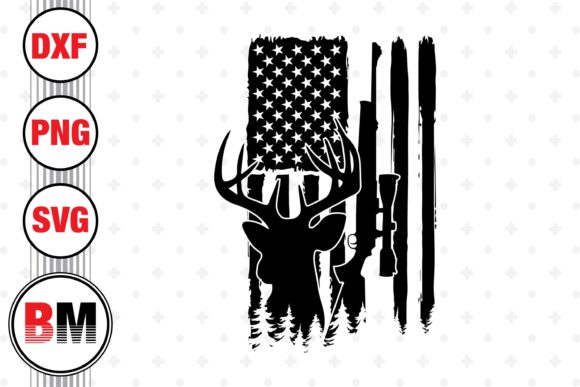
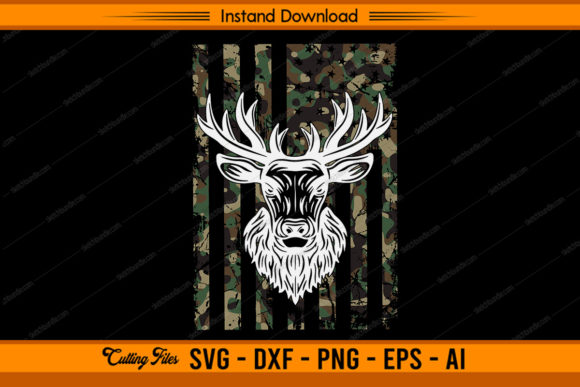
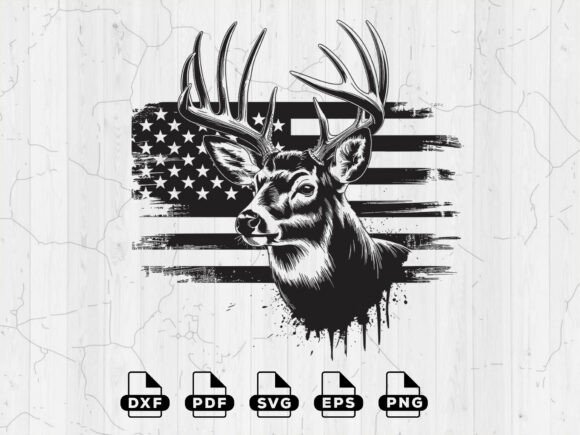
At first glance, the Hunting Flag SVG, Deer American Flag delivers strong visual storytelling—it overlays a bold, stylized buck silhouette with the stars-and-stripes pattern in a layered, vector-based composition. It reads as rustic, confident, and community-rooted, not generic or mass-produced. There’s warmth in the deer’s contour and clarity in the flag’s geometry—no pixelation, no muddy gradients. It doesn’t feel “clipart.” Instead, it lands somewhere between modern illustration and hand-drawn authenticity—ideal for brands that value craftsmanship, regional pride, and approachable strength.
Where This Graphic Design Asset Earns Its Keep
In practice, this Hunting Flag SVG, Deer American Flag shines where local character matters most:
- Product labels and packaging accents—used subtly on kraft paper soap labels or stamped onto burlap coffee bags, it adds instant regional resonance without overwhelming the product;
- Seasonal campaign visuals—a hero banner for a fall pop-up shop or a limited-edition “Heritage Harvest” candle line;
- Thank-you cards and hang tags—scaled down and paired with a warm serif font, it reinforces handmade business credibility;
- Social media graphics—as a decorative frame around a behind-the-scenes photo of a local maker at work;
- Printable inserts and promotional flyers—its clean vector lines hold up beautifully in offset and digital print.
For a small business owner launching a new line of venison jerky or hand-poured antler candles, this asset strengthens product recognition and deepens emotional connection. Customers don’t just see a flag—they recognize shared values: stewardship, tradition, and local pride. That translates directly into better shelf appeal, more consistent brand identity, and a stronger first impression—especially when competing against national brands with polished but impersonal visuals.
Real-World Use Cases That Prove Its Value
Take the Wisconsin boutique project: we used the Hunting Flag SVG, Deer American Flag as a secondary brand element—not the logo, but a supporting motif. It appeared as a foil-stamped accent on recycled gift boxes, as a watermark behind product descriptions on Instagram carousels, and scaled to 1.25” on biodegradable hang tags for leather knife sheaths. In each case, it elevated professional branding without sacrificing authenticity.
Another example: a northern Minnesota maple syrup brand integrated the design into their “Fall Harvest Collection” label series—rotating the deer silhouette to face left or right depending on bottle orientation, then pairing it with earthy type and matte laminate finish. The result? A cohesive packaging design system that felt both artisanal and intentional.
Where to Proceed With Intention (Not Just Enthusiasm)
This asset isn’t universally flexible—and that’s okay. As a commercial design tool, it works best when applied thoughtfully:
- Avoid formal corporate branding: its personality is too expressive for law firms, financial advisors, or medical practices;
- Don’t force it onto crowded packaging: if your label already features dense ingredient lists, certifications, and legal text, this graphic will compete—not complement;
- Test contrast rigorously: on light backgrounds, it pops. On dark or low-contrast substrates (like charcoal gray linen or navy kraft), the flag detail can blur unless adjusted manually;
- Steer clear of luxury minimalist brands: if your aesthetic leans Scandinavian, monochrome, or ultra-refined, this design’s narrative weight may clash with your visual hierarchy.
Practical Brand Designer Notes You Can’t Skip
Before locking this into your small business branding system, run these checks:
- Test it on real packaging mockups—not just screen previews—especially with your chosen substrate (e.g., uncoated paper vs. glossy sticker vinyl);
- Verify black-and-white usage: does the deer silhouette retain legibility when printed in grayscale or embossed?
- Preview it at actual label size—many designers overlook how fine flag stripes vanish below 0.25” height;
- Pair it with your full type palette: test beside serif (e.g., Playfair Display), sans serif (e.g., Montserrat), script (e.g., Pacifico), and display fonts to confirm harmony;
- Confirm commercial licensing: while many creative marketplaces offer broad rights, always verify permissions for physical product sales, resale, and client work—this is non-negotiable for handmade business owners and local business marketers;
- Inspect SVG editability: open the file in Illustrator or Inkscape—can you isolate the deer from the flag? Adjust stroke weights? Recolor individual layers? That flexibility determines whether it supports long-term brand identity evolution;
- Review PNG transparency: if using for web banners or social media, ensure the background is truly transparent—not a faint white halo.
When sourced responsibly and applied with strategic restraint, the Hunting Flag SVG, Deer American Flag becomes more than decoration—it becomes a quiet signal of belonging. For a florist launching a “Patriotic Blooms” summer arrangement, a home decor shop curating a “Northwoods Living” collection, or a children’s apparel brand designing a “Little Hunter” onesie line, this digital product bridges craft and commerce with integrity.
It’s not just another SVG design or PNG design from a creative marketplace. It’s a printable design with purpose—a tool that, in skilled hands, helps local businesses tell stories customers want to carry home.